Recipes + Storage Tips
Seasonal Recipes
Fresh ideas inspired by what’s growing now.
Preservation Guides
Simple methods to store and enjoy your harvest longer.
Storage Tips
Practical advice to keep produce fresh and flavorful.
Making the Most of Every Harvest
At New Ground Farm, we believe good food should never go to waste. Whether you’re preserving a summer harvest, storing fresh vegetables, or preparing a simple seasonal meal, we’re here to help you make the most of every ingredient.
From pickling and canning to quick weeknight recipes, explore practical tips and farm-fresh inspiration straight from our kitchen to yours.
Preserving the Harvest
Freezing
Cook generous portions of vegetables (like kale or greens), enjoy what you need, then cool and store the rest in freezer-safe containers. Label with contents and date. Some vegetables benefit from blanching before freezing to preserve texture and flavor.
Canning
Canning requires proper equipment and safety knowledge. Once you understand the basics, it’s a safe and reliable way to store produce long-term. We recommend reviewing USDA and Ball canning guidelines before starting.
Drying / Dehydrating
Follow your dehydrator instructions — or use your oven on its lowest setting. Drying time varies depending on water content and slice size.
Pickling
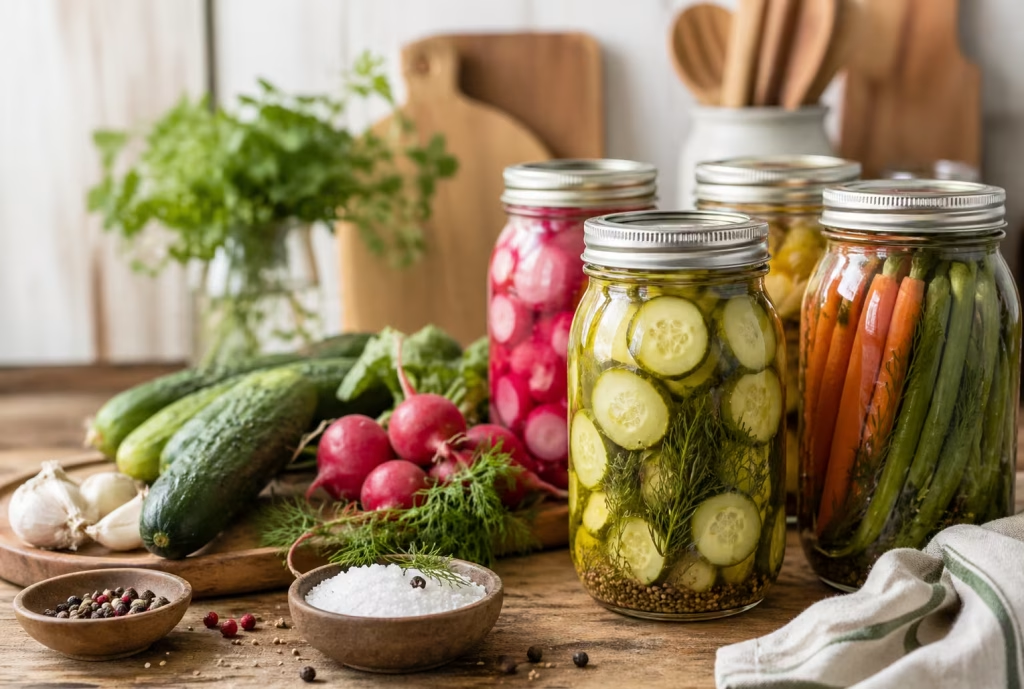
Pickling isn’t just for cucumbers! Many vegetables can be pickled. For long-term storage, use water-bath or pressure canning. For short-term enjoyment, refrigerate quick pickles.
Jam, Jelly & Preserves
Jam contains fruit pulp, jelly is made from juice only, and preserves include larger fruit pieces. Fruit butters are cooked down and often spiced for depth.
Farm-Fresh Recipes
Amelia’s Grandma’s Sunday Cucumbers
View Recipe
“I grew up in a Southern home. On Sundays after church we always went to my grandmother’s house for lunch. She always had a bowl of cucumbers in vinegar. This simple Southern dish is as comfortable with a chicken Sunday dinner as it is with burgers on a Saturday night cook-out.”
— Amelia Kirkland
Ingredients
1–3 cucumbers
Salt and pepper
½ cup apple cider vinegar
½ cup cold water
Instructions
Slice cucumbers into ½″ rounds.
Place in a shallow bowl and generously salt and pepper.
Top cucumbers with apple cider vinegar and cold water.
Refrigerate for 30 minutes to overnight.
Cover and store leftovers in the refrigerator.
They will keep up to 3 days.
Butternut Squash with Kale and Swiss Chard
View Recipe
Ingredients
2 cups large-diced seeded, peeled butternut squash
1 Tbsp olive oil
1 bunch kale, stemmed, leaves cut into 1″ ribbons
1 bunch Swiss chard, stemmed, leaves cut into 1″ ribbons
3 Tbsp ghee or coconut oil
1 clove garlic, minced
¼ cup raw sliced almonds
½ tsp chili powder
½ tsp salt
½ tsp ground black pepper
Instructions
Preheat oven to 425°F and line a baking sheet with parchment paper.
In a large bowl, toss butternut squash with olive oil. Spread onto baking sheet and roast for 45 minutes, until fork tender.
About 15 minutes before squash is done, bring 2 cups water to a boil in a large pot. Place a colander or steamer basket over the pot, add kale and Swiss chard, cover, and steam until kale is tender but not soft (3–5 minutes). Remove greens.
Dump water from pot and return it to the stove over medium heat. Add ghee or coconut oil and swirl to coat bottom of pot. When hot, add garlic and almonds. Stir until garlic is aromatic, about 1 minute.
Raise heat to high and add the steamed kale and chard. Toss 20–30 seconds to combine. Remove from heat.
In a large serving bowl, toss roasted squash with the kale-chard mixture. Add salt and pepper and serve.
Cooking Notes
(from The Helpful Plate)
You can substitute sweet potato chunks for butternut squash.
You can also roast squash in an aluminum foil packet on the grill instead of the oven to keep from heating up your kitchen.
Adding chicken is a great way to increase the protein in this dish.
Baby Greens Salad with Roasted Winter Squash
View Recipe
“This week I made an AWESOME DINNER SALAD with my Roasted Carnival Squash and Baby Greens Mix from my box. I added some extra protein with ham slices and mozzarella, but other than that, it’s all Local Veggies.
This is a very flexible recipe that can sub multiple varieties of Winter Squash, Sweet Peppers, and Fall Apples.
I hope you enjoy!”
— Amelia Kirkland
Ingredients
Acorn (or Delicata) squash, cut in half lengthwise with seeds removed
1–2 tsp olive oil
2–4 sweet peppers (bell peppers, shishitos, or Sweetie Peppers)
1 WineCrisp apple, cored and cut into bite-size pieces
2–4 cups baby greens, salad greens, spinach or spring mix
Optional
Sliced ham or turkey lunch meat or smoked sausage
¼ cup mozzarella cheese (shredded or cubed)
Instructions
Brush oil onto cut sides of winter squash and roast cut-side down on a grill or in the oven at 375°F for 20–30 minutes.
Turn squash over and cook 20 more minutes until fork tender.
While squash cooks, remove pepper tops and seeds. Cut into strips or ½″ pieces.
Place half the salad greens on each of two plates.
Top greens with half the peppers, apple, and optional meat and cheese.
Once squash is cool enough to handle, cut each half into slices.
Add squash slices to each salad.
Dress with flavored olive oil and balsamic, or your favorite vinaigrette.
Serving Note
This recipe makes 2 dinner-sized salads.
Pickled Peppers
View Recipe
Ingredients
½ tsp vegetable oil
12 fresh Padrón, Fresno or jalapeño peppers
¼–1 cup white sugar (depending on sweetness desired)
12 black peppercorns
2 whole cloves garlic, peeled
3 cups white vinegar
Instructions
Heat oil in a large skillet over medium-high heat.
Add peppers and cook, stirring occasionally, until peppers are shiny and slightly blistered (about 4–5 minutes).
Remove from heat.
Transfer hot peppers to a 1-quart mason jar and press down gently.
In a saucepan combine vinegar, sugar, peppercorns and garlic. Bring to a boil to dissolve sugar.
Remove from heat and pour mixture over peppers, leaving ½ inch headspace.
Screw on lid and allow to seal for 24 hours.
Refrigerate and enjoy.
Greek Salad
View Recipe
adapted from Whole30
Ingredients
1 bunch red tip lettuce, chopped
4 tomatoes, cut into large dice
1 large or 2 small cucumbers, cut into large dice
2 spring onions, ends trimmed and sliced thin
30 pitted black olives, halved
¼ cup good quality olive oil
1 Tbsp red wine vinegar
1 clove garlic, minced
¼–½ tsp salt
¼ tsp ground black pepper
Juice of ½ lemon
Instructions
Combine lettuce, tomatoes, cucumbers, onions and olives in a large serving bowl.
In a small bowl combine olive oil, vinegar, garlic, salt and pepper. Whisk well.
Pour dressing over salad and gently toss to combine.
Squeeze fresh lemon juice on top to finish.
All About Peppers
Pickled Peppers
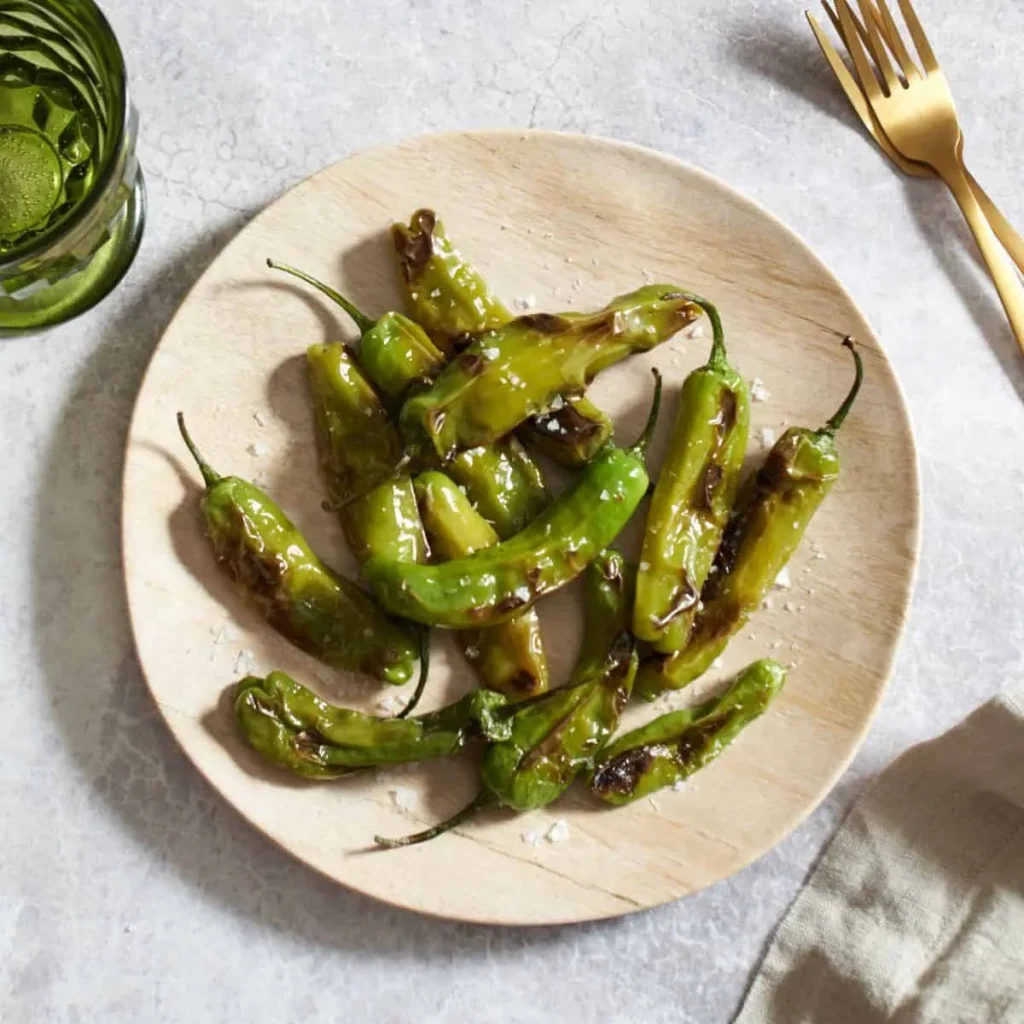
A not-so-famous but delicious variety of pepper is the Padrón pepper, an earthy and nutty pepper that begins with a bright green exterior. These peppers are relatively small and similar in appearance and function to Shishito peppers. You can roast or blister Padrón peppers just like you would Shishitos.
In weekly harvest boxes, Padrón peppers may appear green, red, or in the process of turning red. This is completely normal. They may also be slightly smaller than their Shishito cousins.
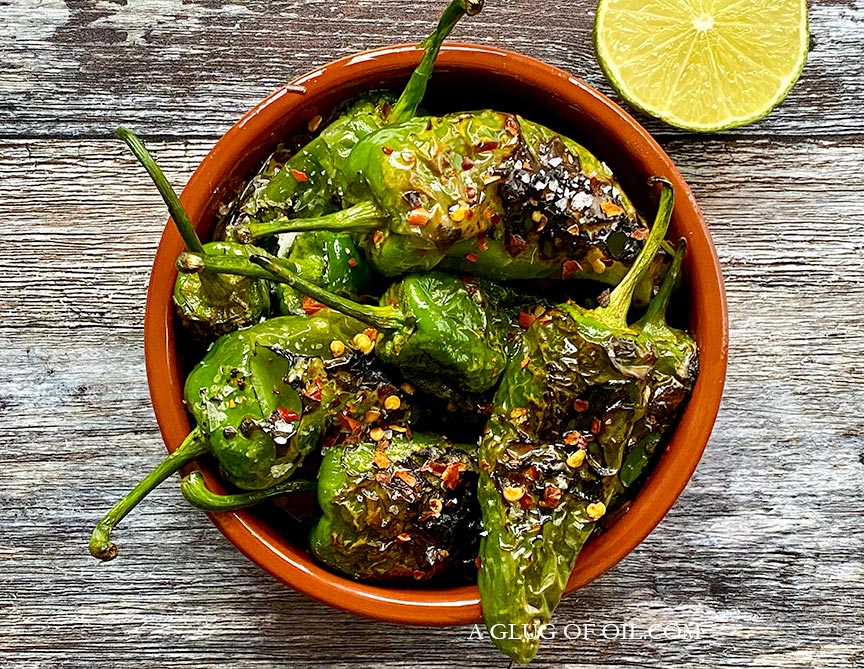
Shishito Peppers
Like Padrón peppers, Shishitos are often prepared using cooking methods such as roasting, grilling, or blistering. While they can be eaten raw, the most popular method is to blister them in a skillet with a little oil.
Shishitos are low calorie, fat-free, and a good source of Vitamin A and Vitamin C. They make a great addition to appetizer plates alongside cheeses and olives.
Beginner’s Guide to Pickling
Harvests may have been bountiful, but sometimes you may find yourself with more vegetables than you can use right away. Pickling offers a simple way to preserve fresh produce while developing unique flavors.
With the help of salt water, a process known as lacto-fermentation can give surplus vegetables a new life.
Fermented foods are also beneficial for gut health, and fermented pickles are a great way to enjoy fresh vegetables for longer.
Small-batch pickling is perfect for using extra vegetables like beans, cucumbers, carrots, radishes, tomatoes, peppers, and many others.
Storing Your Harvest